
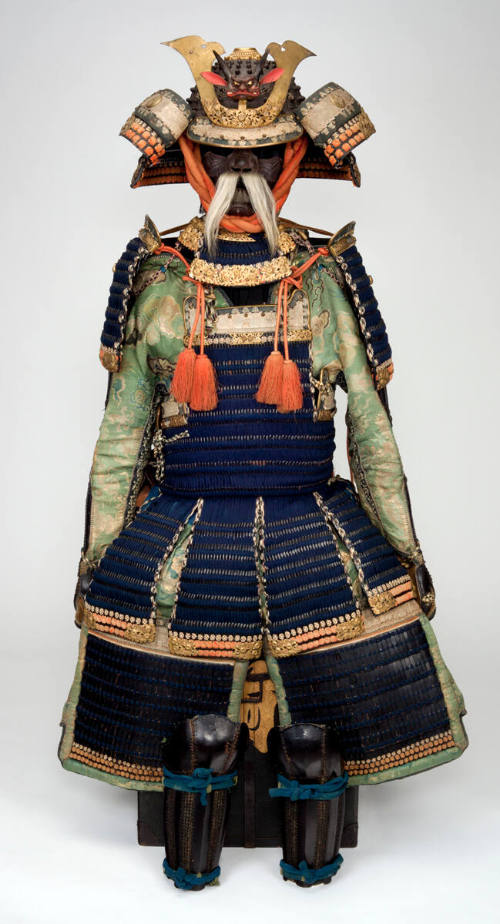


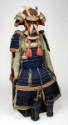
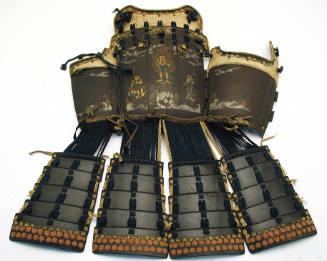
Sode (shoulder guard)
Artist/Culture
Japanese
DateEdo Period, early-mid 18th century
Mediumiron, leather, lacquer, silk, gilded copper alloy, fabric
Dimensions28.5 x 28 cm (11 1/4 x 11 in.)
ClassificationsArms and Armor
Credit LineBequest of Dr. John C. Cutter
Object number1910.47.4
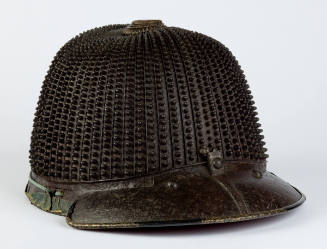
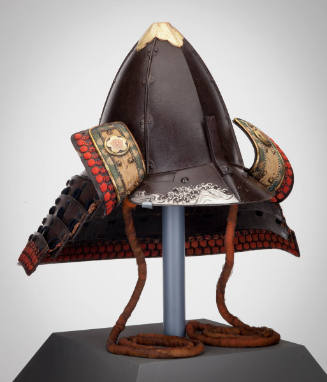
Label TextArmor: Do-Maru GosokuJapan; early-mid 18th century
Iron, leather, lacquer, silk, gilded copper alloy, brocade and hair. Box: wood, iron, lacquer, paper, gold leaf
Bequest of Dr. John C. Cutter, 1910.47.2-10
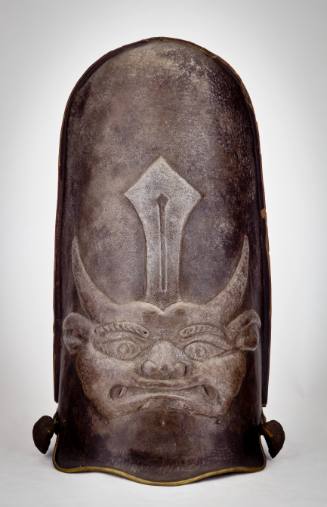
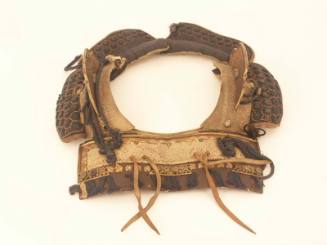
Do-maru armor is characteristically composed of a cuirass (do) and hanging sections made of lacquered metal and leather scales/lamellae linked by close-knit kebiki-style lacing. The cuirass wraps around the body and fastens under the right arm. Do-maru were first used by foot soldiers and lower class samurai. They were also favored by generals as protective vests under clothing during the 12th century. During the 14th century it became the preferred armor among all warriors since it was easy to put on and enabled ease of movement when fighting on foot with swords and spears. Mounted samurai complementProvenanceJohn C. Cutter, Worcester, MA.
On View
Not on view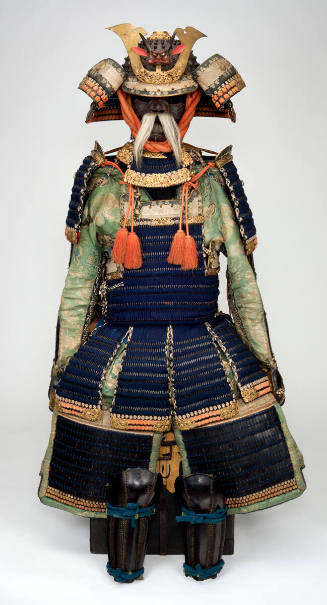
Set/Part of a Set